Welcome to my blog

A health and fitness blog is a weblog that provides resources and information about wellbeing, fitness, and good health.

Do you have a free time?

An informative, motivating, and inspirational health and fitness blog strives to empower readers to take control of their health and lead satisfying lives.

"The Healthy Way," a guide to achieving optimal heath

It could include information, guidelines, and suggestions on topics including food, exercise, weight loss, and disease prevention.

The premier centre for exercise and health

It might contain recipes, fitness plans, and other materials to help people improve their overall health and wellbeing.

Thank you for your valuable time with me

The Fit Life is a blog for people who want to get and stay in shape.

Home

Showing posts with label Exercise. Show all posts

Fitness and Exercise: A Comprehensive Guide to Health Benefits, Getting Started, and Improving Your Fitness

 Fitness and Exercise: A Comprehensive Guide to Health Benefits, Getting Started, and Improving Your Fitness

In today's world, the pursuit of fitness is synonymous with good health. Many of us aspire to achieve and maintain a high level of fitness, not only to lower our risk of chronic diseases but also to enhance our day-to-day functioning and overall quality of life. Simply put, our bodies are designed to move, and they thrive when we prioritize fitness.
 

What Does it Mean to Be Fit?

Fitness encompasses various components that collectively contribute to our ability to perform daily tasks with vigor and alertness. According to the U.S. Department of Health and Human Services (HHS), physical fitness comprises five key elements:

1. Cardiorespiratory Fitness: This reflects your body's capacity to utilize oxygen efficiently, essential for overall health and vitality.

2. Musculoskeletal Fitness: This includes muscle strength, endurance, and power, crucial for mobility and functionality.

3. Flexibility: The range of motion in your joints, which impacts movement and posture.

4. Balance: The ability to maintain stability and prevent falls, vital for daily activities.

5. Speed: How quickly you can move, essential for various physical tasks.

These components collectively define our fitness level and translate into our ability to perform everyday activities comfortably.

Types of Fitness

A well-rounded exercise routine incorporates several types of fitness activities:

1. Aerobic (Cardiovascular) Exercise: Also known as cardio, this type of exercise elevates heart rate and breathing, improving cardiorespiratory fitness. Activities like brisk walking, running, cycling, and swimming fall into this category.

2. Strength Training: This involves exercises that build muscle strength and endurance, such as weightlifting, resistance band workouts, and bodyweight exercises.

3. Flexibility and Mobility: Activities like stretching and joint mobility exercises enhance flexibility and joint function.

4. Balance Training: Crucial for stability, especially among older adults, balance exercises reduce the risk of falls.

5. Rest and Recovery: Essential for allowing muscles to repair and strengthen after exercise, promoting overall fitness.

Health Benefits of Exercise

The benefits of regular physical activity extend beyond fitness:

  • Mood Enhancement: Exercise acts as a natural mood booster, aiding in managing symptoms of depression and anxiety.

  • Improved Sleep: Regular exercise contributes to better sleep quality and duration, promoting overall well-being.

  • Long-Term Health: Exercise supports brain health, bone density, muscle mass preservation, gastrointestinal function, and reduces the risk of chronic diseases like heart disease and diabetes.

  • Chronic Disease Management: Physical activity helps manage various health conditions like arthritis, high blood pressure, diabetes, and even cancer.

    How to make money using smartphone check this

How Much Exercise Do You Need?

According to the HHS guidelines:

  • Aim for 150 minutes of moderate-intensity aerobic activity or 75 minutes of vigorous-intensity aerobic activity weekly.

  • Engage in muscle-strengthening activities targeting major muscle groups at least two days per week.

Nutrition Before, During, and After Exercise

Fueling your body with the right nutrients supports exercise performance and recovery:

  • Before Exercise: Consume easily digestible carbohydrates (e.g., banana, toast) for energy.

  • During Exercise: For longer sessions, replenish with carbohydrates to sustain performance.

  • After Exercise: Replenish with carbs and protein to aid recovery and muscle repair.

Tips for Getting Started and Staying Motivated

Starting and maintaining an exercise routine can be challenging:

  • Break It Up: Short bouts of activity count towards your weekly exercise goals.

  • Increase Slowly: Gradually increase the duration and intensity of your workouts to avoid burnout and injury.

  • Include 'Non-Exercise' Activity: Everyday activities like playing with kids or cleaning can contribute to your fitness.

  • Schedule It: Treat exercise as a priority by scheduling it into your daily routine.

  • Consider HIIT: High-Intensity Interval Training offers efficient workouts and can be tailored to all fitness levels.

  • Phone a Friend: Working out with a friend can boost motivation and make exercise more enjoyable.

Home Gym Equipment

Creating a home gym is convenient and cost-effective:

  • Start Simple: Begin with bodyweight exercises and invest in basic equipment like resistance bands or dumbbells.

  • Utilize Online Resources: Take advantage of online exercise programs that require minimal equipment.

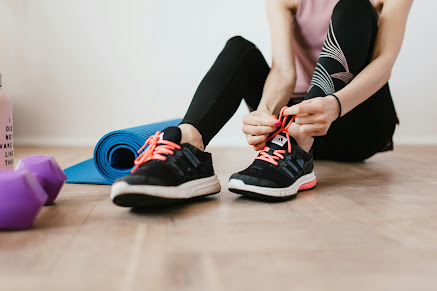
Ultimately, achieving fitness is about finding activities you enjoy and incorporating them into your lifestyle. Regular physical activity not only improves your health but also enhances your overall quality of life. Remember, every small step towards fitness counts—so lace up those sneakers and get moving!

 If you really want money Click here

"Low Impact Exercise for All Ages: Top 10 Choices"

"Low Impact Exercise for All Ages: Top 10 Choices"

Introduction:

    In a world that often emphasizes high-intensity workouts and extreme fitness regimens, it's important to remember that exercise should be inclusive and adaptable to all ages and fitness levels. Low impact exercises offer an excellent solution for people of varying physical abilities, from young to elderly.

    These exercises are gentle on the joints, reduce the risk of injury, and provide numerous health benefits. In this article, we'll explore the top 10 choices of low impact exercises that are suitable for individuals of all ages.

Walking:

    Walking is perhaps one of the most accessible and low impact exercises available. It requires no special equipment other than a comfortable pair of shoes. Whether you're a young adult or a senior citizen, walking can be tailored to your fitness level.

     It improves cardiovascular health, strengthens muscles, and can be a great way to socialize with friends and family while staying active.

Swimming:

    Swimming is an ideal low impact exercise for all ages, as it provides a full-body workout without putting stress on the joints. The buoyancy of the water reduces the risk of injury while offering an effective way to improve cardiovascular fitness, flexibility, and muscle strength. 

    Swimming is particularly beneficial for older individuals seeking to maintain mobility and strength.

Cycling:

    Cycling is a low impact exercise that can be enjoyed by people of all ages. Whether you prefer riding a stationary bike or exploring scenic outdoor trails, cycling helps improve leg strength, balance, and cardiovascular health. 

    It's a great way to get around while staying active, making it a practical choice for daily exercise routines.

Yoga:

    Yoga is not only a form of physical exercise but also a practice that promotes mental and emotional well-being. With various styles and difficulty levels, yoga can be adapted to suit any age group. 

    It enhances flexibility, balance, and core strength while reducing stress and anxiety. For seniors, gentle yoga classes often focus on improving joint mobility and stability.

Tai Chi:

    Tai Chi is an ancient Chinese martial art that has evolved into a graceful, low impact exercise. It involves slow, flowing movements that emphasize balance, coordination, and deep breathing. 

    Tai Chi is especially beneficial for older adults as it helps prevent falls, improves posture, and enhances overall physical and mental well-being.

Pilates:

    Pilates is a low impact exercise system that focuses on core strength, flexibility, and body awareness. It's suitable for people of all ages and fitness levels. 

    Pilates exercises can be modified to accommodate individuals with specific needs or limitations. Regular Pilates practice can improve posture, alleviate back pain, and enhance overall strength.

Water Aerobics:

    Water aerobics is a fantastic low impact exercise option, especially for older adults or individuals with joint issues. It takes place in a pool and involves various movements and resistance exercises in the water. 

    This buoyant environment provides a safe and supportive way to build strength, improve cardiovascular fitness, and enhance mobility.

Elliptical Training:

    Elliptical machines offer a low impact alternative to traditional running or jogging. These machines simulate walking or running without the jarring impact on the joints. 

    Elliptical training is effective for cardiovascular conditioning, toning the lower body, and burning calories, making it suitable for all ages.

Chair Exercises:

    For those with mobility limitations, chair exercises are a valuable option. These exercises can be performed while sitting or holding onto a chair for support, making them accessible to seniors or individuals recovering from injuries. 

    Chair exercises often target strengthening muscles, improving balance, and increasing flexibility.

Resistance Band Workouts:

    Resistance band workouts are versatile, low impact exercises that provide strength training without heavy weights. They are adaptable for all ages and fitness levels and can be done in the comfort of your home. 

    Resistance bands help build muscle strength and improve flexibility, making them an excellent choice for people looking to enhance their physical well-being gently.

Conclusion:

    Low impact exercises are a vital component of a well-rounded fitness routine, and they are suitable for individuals of all ages. Regardless of your age or physical condition, there is a low impact exercise that can help you improve your health, mobility, and overall well-being. 

    From the simplicity of walking to the grace of Tai Chi, these exercises offer a pathway to a healthier, more active life without the fear of injury or excessive strain. Remember, staying active is a lifelong journey, and with the right low impact exercise, you can enjoy the benefits of physical fitness at any stage of life.

Revitalize and Thrive: Embracing a Healthy Diet and Lifestyle for Lasting Well-Being

 Revitalize and Thrive: Embracing a Healthy Diet and Lifestyle for Lasting Well-Being

Introduction:

    In today's fast-paced world, maintaining a healthy diet and lifestyle has become more critical than ever. With the rise of chronic diseases and the impact of stress on our well-being, it is crucial to prioritize our health. 

    Adopting a healthy way of life and eating, we can revitalize our bodies and minds, and thrive in all aspects of life. This article aims to provide insights and guidance on adopting a nutritious diet and cultivating positive lifestyle habits for lasting well-being.

1. The Power of Nutrition


    Nutrition forms the foundation of a healthy lifestyle. By fueling our bodies with the right nutrients, we can boost our energy levels, enhance our immune system, and prevent various diseases. Here are the key elements of a healthy diet:


1.1. Balanced Diet:

    Whole grains, lean proteins, a variety of fruits and vegetables, and healthy fats make up a balanced diet. This combination provides essential vitamins, minerals, and antioxidants needed for optimal health.

1.2. Portion Control:

    Portion control is crucial to avoid overeating and maintain a healthy weight. Being mindful of serving sizes helps prevent excessive calorie intake and promotes better digestion.

1.3. Hydration:

    Staying hydrated is often overlooked but is vital for overall well-being. Drinking adequate water helps regulate body temperature, supports digestion, and flushes out toxins.

1.4. Reducing Processed Foods:

    Processed foods often contain unhealthy fats, added sugars, and sodium. Limiting their consumption and opting for whole, unprocessed foods contributes to better nutrition and reduces the risk of chronic diseases.

 2: Cultivating a Healthy Lifestyle

    In addition to a nutritious diet, adopting a healthy lifestyle enhances well-being on multiple levels. Here are key lifestyle factors to consider:

2.1. Regular Exercise:

    Engaging in regular physical activity not only helps maintain a healthy weight but also improves cardiovascular health, strengthens muscles and bones, and boosts mood. 

    Finding activities you enjoy, such as walking, jogging, yoga, or dancing, will make exercise a sustainable habit.

2.2. Sufficient Sleep:

    Adequate sleep is essential for our bodies to recharge and repair. Lack of bedded can advance to decreased cerebral function, an attenuated allowed system, and an added accident of abiding conditions. Aim for 7-9 hours of quality sleep each night.

2.3. Stress Management:

    Chronic stress can have a detrimental impact on our health. Finding effective stress management techniques, such as meditation, deep breathing exercises, or engaging in hobbies, helps reduce stress levels and promotes mental well-being.

2.4. Social Connections:

    Maintaining meaningful relationships and a strong support system is vital for our overall happiness. Cultivate and nurture your social connections, as they contribute to a sense of belonging and emotional well-being.


3: Sustainable Changes for Lasting Well-Being

3.1. Set Realistic Goals:

    When embarking on a journey towards a healthier lifestyle, setting realistic goals is crucial. Break your goals into manageable steps and celebrate your achievements along the way. This approach ensures sustainable changes rather than quick fixes.

3.2. Practice Mindful Eating:

    Mindful eating involves paying attention to your body's hunger and fullness cues, as well as savoring each bite. By slowing down and being present during meals, you can foster a healthier relationship with food and avoid mindless overeating.

3.3. Seek Professional Guidance:

    If you're unsure about how to start or have specific health concerns, it's beneficial to consult with a healthcare professional or a registered dietitian. They can provide personalized guidance and create a tailored plan that suits your unique needs and goals.

3.4. Embrace a Positive Mindset:

    A positive mindset plays a significant role in adopting a healthy diet and lifestyle. Believe in your ability to make positive changes and approach challenges with optimism. Surround yourself with positive influences and practice self-care to maintain a balanced perspective.

3.5. Practice Self-Compassion:

    Remember that adopting a healthy diet and lifestyle is a journey, and it's important to be kind to yourself along the way. Acknowledge that there will be ups and downs, and treat yourself with compassion and understanding. Celebrate progress rather than striving for perfection.

4: The Benefits of Embracing a Healthy Diet and Lifestyle

4.1. Enhanced Energy and Vitality:

    By nourishing your body with nutritious foods and engaging in regular physical activity, you will experience increased energy levels and improved vitality. This will enable you to approach daily tasks with greater enthusiasm and productivity.

4.2. Improved Physical Health:

    Chronic diseases like diabetes, heart disease, and some types of cancer are significantly less likely to occur in people who lead healthy lifestyles and eat well. Additionally, they help to maintain a healthy weight, strengthening the immune system, and promoting overall physical well-being.

4.3. Mental and Emotional Well-Being:

    The connection between a healthy diet and mental health is well-established. Nutrient-rich foods support brain function and can improve mood and cognitive performance. Additionally, engaging in physical activity and practicing stress management techniques can reduce anxiety and depression, leading to better mental and emotional well-being.

4.4. Longevity and Quality of Life:

    A balanced diet and a healthy lifestyle are closely linked to longevity and a higher quality of life. You can increase your chances of having a fulfilling and active life in old age by taking care of your body and mind.


Conclusion:


    Revitalizing and thriving through a healthy diet and lifestyle is within everyone's reach. By prioritizing nutrition, engaging in regular physical activity, managing stress, and fostering positive relationships, we can achieve lasting well-being. Remember that small, sustainable changes are the key to long-term success. Embrace the journey and enjoy the numerous benefits that await you on the path to a healthier and happier life.

    You can transform your life and experience the incredible power of adopting a healthy diet and lifestyle with the right information, motivation, and support. Start today and take the first steps towards revitalizing your body and thriving in every aspect of your life. Your well-being is worth the effort, and the rewards will be truly remarkable.

"Why Zumba and Aerobics Are Great for Weight Loss and Toning"

Why Zumba and Aerobics Are Great for Weight Loss and Toning

Introduction

    Are you looking for an exciting and effective way to shed those extra pounds and tone your body? Look no further than Zumba and aerobics! These two popular fitness activities offer a fun and engaging way to achieve your weight loss and toning goals. 

    In this article, we will look at the advantages of Zumba and energetic movement, how they help people lose weight, and how they can help you sculpt and tone your body. Let's get started, so put on your dancing shoes.


Understanding Zumba and Aerobics

    Zumba and aerobics are dynamic and energetic forms of exercise that combine dance movements with cardio routines. Zumba, in particular, incorporates various dance styles like salsa, merengue, hip-hop, and more, to create an enjoyable and lively workout experience. 

    Aerobics, on the other hand, involves a series of rhythmic aerobic exercises performed to music, often incorporating elements of dance, kickboxing, and strength training.

The Benefits of Zumba and Aerobics


    Both Zumba and aerobics offer numerous benefits that extend beyond weight loss and toning. We should investigate a portion of the benefits you can hope to acquire from integrating these exercises into your wellness schedule.

1. Cardiovascular Health


    Engaging in Zumba or aerobics regularly can significantly improve your cardiovascular health. The high-energy and continuous movements involved in these activities elevate your heart rate, promoting better circulation, and strengthening your heart and lungs. 

    Over time, this can prompt a decreased gamble of cardiovascular illnesses, for example, respiratory failures and strokes.

2. Weight Loss


    Zumba and aerobics are excellent choices for weight loss. The combination of dance routines, cardio exercises, and high-intensity movements helps burn calories effectively. A single Zumba or aerobics session can burn a substantial amount of calories, depending on the intensity of the workout. 

    By consistently participating in these activities, you can create a calorie deficit and achieve your weight loss goals.

3. Muscle Toning


    Not only do Zumba and aerobics aid in weight loss, but they also help tone and sculpt your muscles. The continuous movements and repetitive motions engage various muscle groups throughout your body.

    From your legs and glutes to your arms and core, these activities provide a full-body workout that targets multiple muscle groups simultaneously

4. Improved Coordination and Flexibility


    Zumba and aerobics require coordination and flexibility as you follow dance routines and perform various movements. Regular practice can enhance your coordination skills, making you more agile and graceful in your everyday activities. 

    Additionally, the dynamic and fluid nature of these exercises helps improve flexibility, expanding your scope of movement and lessening the gamble of wounds.

5. Enhanced Mood and Mental Well-being


    Exercise has long been known to boost mood and improve mental well-being, and Zumba and aerobics are no exception. The upbeat music, energetic atmosphere, and sense of accomplishment after completing a workout can leave you feeling invigorated and uplifted. 

    These activities also release endorphins, the body's natural "feel-good" hormones, promoting stress reduction and overall mental wellness.


How Zumba and Aerobics Promote Weight Loss


Let's dive deeper into how Zumba and aerobics contribute to effective weight loss.

High-Intensity Interval Training (HIIT)

    Zumba and certain aerobics routines incorporate elements of high-intensity interval training (HIIT). HIIT involves short bursts of intense exercise followed by brief recovery periods. 

    This method has been proven to increase calorie burn and fat loss, as it keeps your metabolism elevated even after you've finished your workout.

 Calorie Burn


    Zumba and aerobics are high-energy activities that can burn a significant number of calories within a single session. The combination of cardio, dance movements, and continuous motion results in an intense calorie-burning workout. 

    The exact number of calories burned will vary depending on factors like intensity, duration, and individual characteristics.

 Full-Body Workout


    One of the reasons why Zumba and aerobics are so effective for weight loss is their ability to provide a full-body workout. These exercises engage multiple muscle groups simultaneously, requiring effort from your legs, core, arms, and even smaller stabilizing muscles. 

    Working the entire body maximizes calorie burn and creates a more toned and sculpted physique.

Toning and Sculpting the Body with Zumba and Aerobics


    In addition to weight loss, Zumba and aerobics offer great opportunities for toning and sculpting your body.

 Targeting Different Muscle Groups


    Zumba and aerobics involve a variety of movements that specifically target different muscle groups. Dance routines often incorporate lunges, squats, and leg kicks to engage the lower body muscles, while arm movements, punches, and resistance exercises focus on toning the upper body. 

    By consistently participating in these activities, you can shape and strengthen specific muscle groups.

 Engaging the Core


    A strong core is essential for stability and proper posture. Zumba and aerobics involve many movements that activate and strengthen your core muscles, including your abdominals and lower back. 

    The continuous engagement of the core during these exercises helps tone and define your midsection, leading to a more sculpted and toned appearance.

 Resistance Training


    Some forms of aerobics incorporate resistance training elements, such as using light weights or resistance bands. These added resistances increase the challenge and intensity of the workout, effectively toning and strengthening your muscles. 

    Resistance training can help you achieve a lean and defined physique by promoting muscle growth and improving overall muscle tone.

Incorporating Zumba and Aerobics into Your Fitness Routine


    Now that you understand the benefits and mechanisms of Zumba and aerobics, Let's look into how you can include them in your exercise routine.

Finding the Right Class or Instructor

    Finding the Right Class or Instructor is essential when it comes to experiencing the full benefits of Zumba and aerobics for weight loss and toning. With a plethora of options available, it is crucial to find a class or instructor that resonates with your fitness goals, preferences, and personality. 

    The right class or instructor will not only provide a supportive and motivating environment but also ensure that you receive proper guidance and instruction to maximize your workout potential. 

    Whether you prefer high-energy Zumba sessions or intense aerobic routines, finding the perfect match will enable you to stay committed, push your limits, and achieve your desired results. 

    Remember, the right class or instructor can make all the difference in transforming your fitness journey into a fun and rewarding experience.

Setting Realistic Goals

    When incorporating Zumba and aerobics into your fitness routine, it's important to set realistic goals. Whether your focus is on weight loss, toning, or overall fitness, establish achievable targets that you can work towards. 

    Setting smaller milestones can help keep you motivated and track your progress effectively.

 Listening to Your Body

    While pushing yourself during workouts is important for progress, it's equally vital to listen to your body. Pay attention to any discomfort or pain and modify movements or take breaks as needed. 

    It's essential to strike a balance between pushing your limits and avoiding injury. Remember, consistency is key, and long-term success is built on a foundation of sustainable and healthy habits.

 Staying Consistent

    To reap the maximum benefits of Zumba and aerobics, consistency is crucial. Aim for regular sessions, whether it's attending classes or following online tutorials. Make exercise a non-negotiable part of your routine and establish a timetable that works for you. 

    Consistency will not only help you achieve your goals but also develop a positive and long-lasting fitness habits.

Conclusion

    Zumba and aerobics provide an enjoyable and effective way to lose weight and tone your body. With their combination of dance, cardio, and resistance exercises, these activities offer numerous benefits beyond physical fitness. 

    They promote cardiovascular health, burn calories, tone muscles, improve coordination and flexibility, and boost mood and mental well-being. By incorporating Zumba and aerobics into your fitness routine and following the tips mentioned, you can embark on a fun and rewarding fitness journey.

Disclaimer:

    The information provided in the title "Why Zumba and Aerobics Are Great for Weight Loss and Toning" is based on general knowledge and should not be considered as a substitute for professional medical advice or treatment. Individual results may vary, and it is advisable to consult with a healthcare professional before starting any new exercise program or making significant changes to your fitness routine. 
     
    The title does not guarantee specific weight loss or toning outcomes, as factors such as diet, genetics, and overall health can influence results. Always listen to your body and modify exercises as necessary to avoid injury.

Eat, Move, and Thrive: Sustainable Habits for a Healthier Life

 Eat, Move, and Thrive: Sustainable Habits for a Healthier Life

    Are you tired of constantly jumping from one fad diet to another or struggling to stick to your exercise routine? The key to a healthier life is not just about temporary fixes but establishing sustainable habits that can be incorporated into your lifestyle. In this article, we'll discuss ways to eat, move, and thrive for a healthier life that lasts.

Table of Contents

1. Introduction

2. Understanding Sustainable Habits

3. Eating Habits for a Healthier Life

  • Balanced Diet
  • Mindful Eating
  • Hydration
  • Portion Control

4. Movement for a Healthier Life

  • Exercise Routine
  • Incorporating Movement into Daily Life
  • Rest and Recovery

5. Thriving for a Healthier Life

  • Stress Management
  • Sleep Quality
  • Social Connections

6. Putting it All Together

  • Goal Setting
  • Accountability
  • Patience and Persistence

7. Conclusion

8. FAQs

Introduction

     Welcome to a world where health, happiness, and longevity are all within your reach. Where you can refuel your body, push your brain, and get your soul rolling. A world wherein economical eating, actual work, and way of life decisions can help you in accomplishing a better way of life.

    Our state of the art lifestyles much of the time leave us feeling discharged, pushed, and disconnected from our bodies. Fast food, sitting for long periods of time, not taking care of ourselves, and not getting enough sleep put us at risk. However, imagine a scenario in which we could recover our well being and imperatives by embracing basic, sustainable habits that nourish our bodies and souls?

"Eat, Move, and Thrive" is not just a phrase, it's a way of life.

    It involves pursuing insightful decisions that work on our physical, mental, and profound prosperity. It all comes down to eating healthy foods that give our bodies energy, exercising in ways that test and energize us, and developing routines that help us stay balanced and resilient.

    Join us on a journey towards sustainable health and happiness. Discover the power of conscious eating, mindful movement, and holistic self-care. Learn how to nourish your body, mind, and soul with simple, practical habits that will help you thrive for a lifetime.
 
    It's time to take an allegation of your health and abundance and body an activity that is abounding of activity and meaning.

 Let's eat, move, and thrive together!


Understanding Sustainable Habits

    Sustainable habits are actions that we can maintain in the long term, rather than short-lived changes that are hard to sustain. 
 
    Sustainable habits for a healthier life involve making changes in our eating, movement, and overall lifestyle that can be incorporated into our daily routine.

Eating Habits for a Healthier Life

Balanced Diet

    A decent eating routine includes devouring different food sources to the right extent to get the essential supplements.

    Your eating routine should incorporate different natural products, vegetables, entire grains, lean proteins, and sound fats. Avoid processed foods and limit added sugars and unhealthy fats.

Mindful Eating

    Mindful eating is being aware of what and how you eat. Center around your food, appreciate each nibble and focus on your body's signs of craving and totality. Avoid eating in front of screens or while multitasking, as it can lead to mindless eating and overeating.

Hydration

    Staying hydrated is imperative for our body to work fittingly. You ought to drink something like 8 cups of water every day, and you ought to drink more assuming you exercise or it is hot outside. Avoid sugary drinks and limit alcohol and caffeine.

Portion Control

    Controlling your portion sizes is key to maintaining a healthy weight. Use smaller plates, measure your food, and avoid eating directly from the package. Be mindful of your hunger and fullness signals, and stop eating when you're satisfied.


Movement for a Healthier Life

Exercise Routine

    Ordinary activity is vital for further developing heart well-being, diminishing the gamble of persistent sickness, and keeping a solid weight. Hold back nothing of the energetic activity or possibly 150 minutes of moderate activity each week. 

    Stir up your daily schedule with various sorts of activities, for example, cardio, strength preparation, and adaptability workout.

Incorporating Movement into Daily Life

    In addition to structured exercise, It is essential to incorporate physical activity into your daily life. Take the stairs instead of the elevator, walk or bike instead of driving, and stand or walk during phone calls or meetings. Small changes like these can add up to better health overall.

Rest and Recovery

    Rest and recovery are crucial for muscle repair and preventing injury. Aim for at least 7-8 hours of sleep per night, and prioritize rest days in your exercise routine. Take breaks throughout the day to stretch or move your body, especially if you have a sedentary job.

Thriving for a Healthier Life

Stress Management

    Numerous health issues, including high blood pressure and mental health issues, can result from chronic stress. Find healthy ways to manage stress, such as meditation, yoga, or spending time in nature.

Sleep Quality

    Getting enough quality sleep is essential for overall health and well-being. Stick to a consistent sleep schedule, create a relaxing bedtime routine, and avoid screens before bedtime. Consider improving your sleep environment by making your bedroom dark, quiet, and cool.

Social Connections

    Social connections are crucial for our mental and emotional health. Nurture your relationships with family and friends, join a community group or club, and seek support when needed. Social connections can help reduce stress, improve mood, and increase overall life satisfaction.

Putting it All Together

    To establish sustainable habits for a healthier life, it's essential to put all the pieces together. Here are some tips for success:

Goal Setting

    Set specific, measurable, and achievable goals for your eating, movement, and overall health. Make sure your goals are realistic and align with your values and priorities.

Accountability

    Find a coach, friend, or family member who can help you stay motivated and accountable. Share your goals with them and check in regularly to track your progress.

Patience and Persistence

    Establishing sustainable habits takes time and effort. Be patient with yourself and don't give up if you slip up or face challenges. Focus on progress rather than perfection, and celebrate small wins along the way.


Conclusion

    Developing propensities that can be supported for a better way of life is the path to long-term success. By focusing on adjusted eating, normal development, and prosperity, you can work on your physical, mental, and profound well-being. 

    Remember to set realistic goals, seek support, and be patient and persistent in your journey toward a healthier life.

FAQs

How much exercise do I need to do to see results?

    Aim for at least 150 minutes of moderate-intensity exercise or 75 minutes of vigorous-intensity exercise per week. Mix up your routine with different types of exercises, such as cardio, strength training, and flexibility exercises.

Can I still eat my favorite foods and maintain a balanced diet?

    Yes, a balanced diet involves consuming a variety of foods in the right proportions. You can still enjoy your favorite foods in moderation while prioritizing nutrient-dense foods.

How can I improve my sleep quality?

    Stick to a consistent sleep schedule, create a relaxing bedtime routine, and avoid screens before bedtime. Consider improving your sleep environment by making your bedroom dark, quiet, and cool.

What can I do to manage stress?

    Find healthy ways to manage stress, such as meditation, yoga, or spending time in nature. Identify sources of stress and take steps to eliminate or reduce them.

How do I stay motivated to maintain healthy habits?

    Set specific, measurable, and achievable goals, find an accountability partner, and celebrate small wins along the way. Focus on progress rather than perfection and be patient and persistent in your journey towards a healthier life.

Hot Water Transformation: How Much Weight Can You Lose in Just 30 Days?


 Hot Water Transformation: How Much Weight Can You Lose in Just 30 Days?

    Water is an essential element for the human body. It makes up around 60% of our body weight and plays a vital role in various bodily functions.
 
    Hot water is said to have several benefits, including aiding in weight loss. But is it true that you can lose weight just by drinking hot water?
 
    In this article, we will explore the concept of hot water transformation and how it can aid in weight loss.


Introduction

    Hot water transformation is the practice of drinking hot water at specific times throughout the day to promote weight loss. The practice has been around for centuries and is often used in traditional medicine.

    Hot water is said to increase the body's metabolism, aid digestion, and flush out toxins. But can drinking hot water alone lead to weight loss?

 ðŸ˜†ðŸ˜†ðŸ˜† Do This 60 Second Dental Trick Before Going to Bed Tonight To Rebuild Your Teeth and Gums And Get Rid of Tooth Decay 😆😆😆

How Hot Water Transformation Works


    Hot water is believed to aid in weight loss by increasing the body's metabolism. When we drink hot water, the frame has to work harder to convey the temperature of the water down to the frame's internal temperature.

    This process is called thermogenesis and is said to increase the body's metabolic rate, leading to more calories burned.

    Hot water is also said to aid in digestion. It can help wreck down meals inside the stomach and intestines, making it less complicated for the frame to take in nutrients. Drinking hot water can also assist in flushing out toxins from the body, which can useful resource in weight loss.

The Benefits of Hot Water Transformation


    There are several benefits of hot water transformation that can aid in weight loss. Here are some of the benefits:

1. Increased Metabolism


    As mentioned earlier, drinking hot water can increase the body's metabolism, leading to more calories burned. A higher metabolism means that the body is burning more calories at rest, which can aid in weight loss.

2. Aid in Digestion


    Drinking hot water can aid in digestion by helping to break down food in the stomach and intestines. This can make it easier for the body to absorb nutrients, leading to better digestion and potentially aiding in weight loss.

3. Flushes Out Toxins


    Drinking hot water can help flush out toxins from the body. Toxins can slow down the frame's metabolism, making it harder to shed pounds. 
 
    By flushing out toxins, the body's metabolism can be increased, leading to more calories burned and potentially aiding in weight loss.


👉👉👉👉GET FOUR COMPLETE MARKETING COURSES FOR ONLY $4!👈👈👈👈

Hot Water Transformation and Weight Loss


    While drinking hot water alone is unlikely to lead to significant weight loss, incorporating it into a weight loss plan can be beneficial. 
 
    Hot water can aid in digestion and increase the body's metabolism, making it easier to burn calories and potentially aiding in weight loss.

Hot Water Transformation Tips


    If you're interested in trying hot water transformation, here are some tips to help you get started:

1. Drink Hot Water Throughout the Day


    To see the benefits of hot water transformation, it's essential to drink hot water throughout the day. Aim to drink at least eight cups of hot water per day.

2. Add Lemon or Ginger

    Adding lemon or ginger to your hot water can add flavor and provide additional health benefits. Lemon is high in vitamin C, while ginger is said to aid in digestion.

3. Drink Hot Water Before Meals

    Drinking hot water before meals can help aid in digestion and reduce appetite, potentially leading to weight loss.

How Much Weight Can You Lose with Hot Water Transformation?


    The amount of weight you can lose with hot water transformation depends on various factors, such as your current weight, diet, and exercise routine. 
 
    While drinking hot water alone is unlikely to lead to significant weight loss, incorporating it into a healthy diet and exercise plan can aid in weight loss.

    On average, a person can expect to lose about 1-2 pounds per week by making healthy lifestyle changes, including incorporating hot water transformation.


 Conclusion

    In conclusion, hot water transformation can aid in weight loss by increasing the body's metabolism, aiding in digestion, and flushing out toxins. While drinking hot water alone is unlikely to lead to significant weight loss, incorporating it into a healthy lifestyle can aid in weight loss.

    Remember to drink hot water throughout the day, add lemon or ginger for flavor and additional health benefits, and drink hot water before meals to aid in digestion and reduce appetite.
'
If you want 👉👉👉   Health & Wealth Coaching Online Blueprint to reach all your Health & Wealth goals! 😉😉😉

FAQs

Is it safe to drink hot water every day?

    Yes, it is safe to drink hot water every day. Hot water is an excellent way to stay hydrated, aid in digestion, and promote overall health.

Can drinking hot water burn belly fat?

    Drinking hot water alone is unlikely to burn belly fat. However, incorporating hot water into a healthy diet and exercise plan can aid in weight loss, potentially leading to a reduction in belly fat.

How many cups of hot water should I drink per day?

    Aim to drink at least eight cups of hot water per day to see the benefits of hot water transformation.

Can adding honey to hot water aid in weight loss?

    Honey is high in sugar and calories and is unlikely to aid in weight loss. It's essential to consume honey in moderation as part of a healthy diet.

Is hot water transformation suitable for everyone?

    Hot water transformation is generally safe for most people. However, it's essential to speak with a healthcare provider before making significant changes to your diet or exercise routine.
 

Kim Kardashian Weight Loss: How She Did It and How You Can Too


 Kim Kardashian Weight Loss: How She Did It and How You Can Too

    Kim Kardashian, the reality TV star and social media influencer, has been making headlines lately for her incredible weight loss transformation. 

    With her toned physique and curves in all the right places, many people are wondering how she achieved her stunning new look. We'll look at the strategies Kim used to lose weight and get in shape, as well as some advice on how you can do the same, in this article.


Introduction: 

The Inspiration behind Kim Kardashian's Weight Loss Journey

    Kim Kardashian has always been known for her curvy figure, but after having four children, her weight had begun to fluctuate. She was determined to regain control of her health and fitness, and embarked on a weight loss journey that would inspire millions of people around the world.

Setting Realistic Goals: 

How Kim Kardashian Made Her Weight Loss Journey Manageable

    Quite possibly of the main step that Kim assumed on her weight reduction venture was to laid out sensible objectives for herself.

    Rather than aiming for an unrealistic or unsustainable weight loss target, she focused on making small, incremental changes to her diet and exercise routine that would add up over time. This allowed her to stay motivated and committed, and avoid the disappointment and frustration that can come with trying to lose weight too quickly.

Get your custom keto diet

The Importance of Diet:

 How Kim Kardashian Changed Her Eating Habits to Lose Weight

    Diet played a major role in Kim Kardashian's weight loss success. She began by cutting out processed foods, sugar, and refined carbs, and focused on eating a balanced diet of whole, nutrient-dense foods. 

    She also started tracking her calorie intake, and made sure to stay within a healthy range each day. Additionally, she incorporated intermittent fasting into her routine, which helped to reduce cravings and promote fat loss.


Exercise: 

How Kim Kardashian Transformed Her Body with Consistent Workouts

    Kim lost a lot of weight through diet and exercise, both of which were important parts of her routine.. She worked out consistently, incorporating a mix of strength training and cardio to help build muscle and burn fat. 

    She also prioritized rest and recovery, and made sure to give her body time to rest and heal after intense workouts.

Get your meal plan here

Mindset: 

How Kim Kardashian Maintained Motivation and Stayed Committed to Her Goals

    One of the most impressive aspects of Kim Kardashian's weight loss journey was her mindset. She stayed motivated and committed to her goals, even when faced with setbacks or challenges. 

    She focused on the positive changes that she was making, and celebrated small wins along the way. She also surrounded herself with a supportive community of friends and family, who helped to keep her accountable and motivated.


Tips and Strategies for Achieving Your Own Weight Loss Goals

    Assuming you're propelled by Kim Kardashian's weight reduction excursion and need to accomplish your own wellness objectives, there are a couple of techniques and tips that you can use to begin.These include:

  •  Set realistic goals for yourself, and focus on making small, sustainable changes to your diet and exercise routine
  • Prioritize nutrient-dense, whole foods in your diet, and avoid processed foods, sugar, and refined carbs
  • Incorporate strength training and cardio into your exercise routine to build muscle and burn fat
  • Prioritize rest and recovery, and make sure to give your body time to heal after intense workouts
  • Surround yourself with a supportive community of friends and family who can help keep you motivated and accountable

Conclusion: 

The Power of Consistency and Commitment on Your Weight Loss Journey

    Kim Kardashian's weight loss journey is a testament to the power of consistency, commitment, and hard work. 

    By setting realistic goals, focusing on diet and exercise, prioritizing rest and recovery, and maintaining a positive mindset, she was able to achieve incredible results and inspire millions of people around the world. 

    You can have the body of your dreams and live a happier, healthier life with hard work and dedication.

Get your keto Recipes

FAQs

What was Kim Kardashian's starting weight?  

     Kim Kardashian has not publicly disclosed her starting weight, but she has stated that she weighed 116 pounds at the time of her Met Gala appearance in 2021.
 

Did Kim Kardashian follow a specific diet plan?
     

    Kim Kardashian ate whole, nutrient-dense foods and avoided processed foods, sugar, and refined carbohydrates rather than following a specific diet plan.
 

How long did it take Kim Kardashian to lose weight?
     

    Kim Kardashian's weight loss journey took several months, and she has stated that it was a gradual process rather than a rapid transformation.
 

Did Kim Kardashian have any professional help with her weight loss?
     

    While Kim Kardashian did not work with a personal trainer or nutritionist, she did consult with her doctor and incorporate advice from fitness experts into her routine.
 

Can I achieve similar weight loss results to Kim Kardashian's without a celebrity budget?    

     Absolutely! While Kim Kardashian has access to top-of-the-line fitness equipment and resources, the strategies and tips outlined in this article can be implemented by anyone regardless of budget or resources. The key is to focus on sustainable lifestyle changes that are tailored to your own needs and preferences


Disclaimer:

The images of Hollywood actresses used in this blog post are the property of their respective owners, which may include the actresses themselves or their agents, studios, or other entities. The use of these images is solely for the purpose of illustrating or discussing the subject matter of this blog post and is not intended to infringe upon any copyrights or trademarks.

If you are the owner of any of the images used in this post and believe that their use here constitutes infringement of your copyright or trademark rights, please contact us and we will remove the images promptly. We respect the intellectual property rights of others and strive to comply with all applicable copyright laws and regulations.

Popular Posts